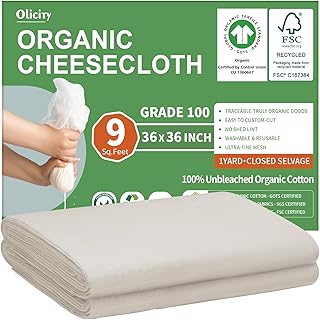
For centuries, a simple piece of fabric has been an indispensable tool in kitchens, dairies, and craft rooms. That tool is cheesecloth. Far more than just a cloth for making cheese, this versatile material is a multi-purpose workhorse that every home cook, baker, and DIY enthusiast should have on hand. Whether you're straining homemade yogurt, clarifying butter, or creating a beautiful ghost costume, understanding the different types and grades of cheesecloth is key to getting the best results.
What is Cheesecloth and Why is it So Useful?
Cheesecloth is a lightweight, gauzy cotton fabric with a loose, open weave. Its primary historical use was, as the name suggests, in cheesemaking to drain whey from curds. However, its utility extends far beyond the dairy. The fabric's unique properties—breathable, absorbent, and strong when wet—make it perfect for a myriad of tasks. It allows liquids to pass through while trapping fine solids, making it an ideal straining and filtering medium. Unlike paper filters, high-quality cotton cheesecloth is reusable, washable, and eco-friendly.
Understanding Cheesecloth Grades: The Key to Choosing Right
Not all cheesecloth is created equal. It comes in numbered grades that indicate the thread count and tightness of the weave, which directly impacts its purpose.
Grade 100 Cheesecloth, often called "butter muslin," is the finest and tightest weave available. It's the gold standard for tasks requiring ultra-fine filtration. This grade is essential for making soft cheeses like ricotta or mascarpone, where you need to catch the tiniest curds. It's also perfect for straining broths to crystal clarity, making nut milks, and straining juices without pulp. Products like the Cotton Farm Grade 100 XL Cheese Cloth or a 6-Pack of Grade 100 cloths are excellent examples of this premium, reusable option.
Lower grades (like 60, 50, or 40) have a more open weave. They are suitable for bundling herbs, wrapping a turkey for roasting to keep it moist, or as a dust cover for rising bread dough. For a comprehensive look at all the grades and their specific applications, check out our detailed Grade 100 Cheesecloth Ultimate Guide.
Top Uses for Your Kitchen Cheesecloth
The applications for this humble cloth are nearly endless. Here are some of the most popular uses:
Cheesemaking & Dairy: This is its namesake use. Cheese making relies on cheesecloth to separate curds from whey. For hobbyists, a pack of precut, hemmed cheese cloths is a perfect cheesemaking supply.
Straining & Clarifying: Use it to strain stocks, broths, and consommés for a perfectly clear liquid. It's also ideal for making ghee (clarified butter), straining homemade yogurt to make Greek yogurt, or filtering fruit juices and nut milks.
Cooking & Baking: Wrap herbs and spices in a sachet for easy removal from soups and stews. A cooking cheesecloth is famously used to cover turkey while roasting, basting it in its own juices for incredibly moist meat. It can also be used to line molds for certain desserts.
Crafts & More: Its gauzy texture makes it perfect for Halloween costumes, ghost decorations, theater scrims, and even as a gentle polishing cloth. A large, GOTS-certified organic cheese cloth is a great choice for craft projects where material safety is a concern.
Features to Look For: Bleached vs. Unbleached, Hemmed Edges, and Size
When shopping for cheesecloth, consider these features:
Unbleached vs. Bleached: Unbleached (natural) cheesecloth retains its off-white, beige color and is generally preferred for food-grade applications as it hasn't been treated with chemicals. Bleached cheesecloth is bright white and may be preferred for crafts or where appearance matters, like the GoodCook Everyday Cotton Cheesecloth.
Hemmed or Finished Edges: This is a crucial feature for durability. Unhemmed edges fray terribly with use and washing. Look for cloths with hemmed, closed, or lock-edged finishes, like those found in the High-Grade 100 Cheesecloth 6-Pack or the 12Pcs Reusable Cheese Cloths with hemmed edges. This makes them truly reusable.
Size and Pack Quantity: Cheesecloth is sold by the yard, in rolls, or in convenient precut squares. Precut packs, such as the 4-pack of 15x15 inch squares or the Mostdream 10-piece pack, save time and reduce waste.
Caring for Your Reusable Cheesecloth
To get the most life out of your investment, proper care is simple. Rinse immediately after use under cold water to remove food particles. Then, hand-wash or machine wash in warm water with a mild detergent. Avoid fabric softeners as they can clog the weave. You can air dry or tumble dry on low. With care, a high-quality cloth like the MAJESTIC CHEF Natural Cheesecloth can be used dozens of times.
In conclusion, cheesecloth is a testament to simple, effective design. By choosing the right grade—prioritizing Grade 100 for fine straining—and opting for reusable, hemmed cloths, you equip your kitchen with a tool that is both incredibly practical and sustainable. For a deeper dive into selecting and using this versatile fabric, explore our Complete Cheesecloth Guide and discover why it remains an essential cooking essential.